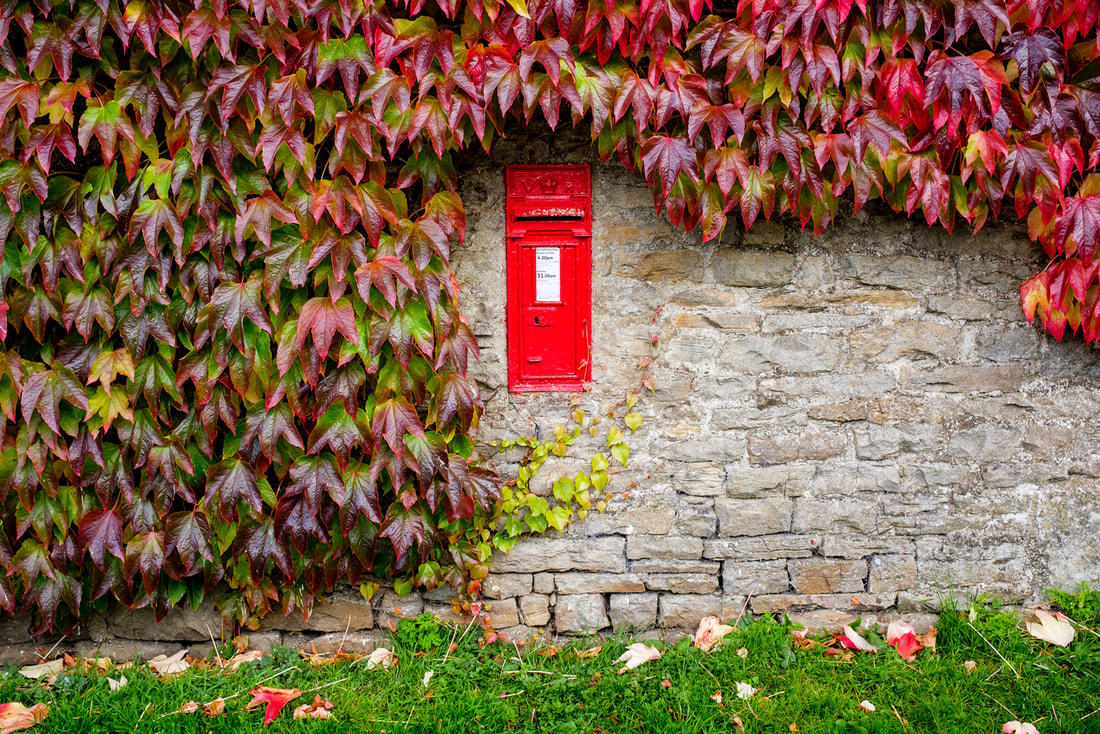
10 special and distinctive features of the Yorkshire Dales
There are around 30 valleys or dales, cut by rivers, each distinctive in character and with their own sense of place. Look out for these features that make the Yorkshire Dales special.
|
1. Unfenced roads across open moorlands with dramatic panoramas across the landscape and into the valleys below, and hay meadows, rich in herbs and wildflowers
2. The high winding Buttertubs Pass and heather tops: see the wonderful seasonal colour changes from brown to green, purple & white. 3. Caves such as: Gaping Gill System, Kingsdale Master System, Alum Pot, Hull Pot and Show caves: Ingleborough & White Scar Caves, Ingleton, How Stean Gorge, Stump Cross Cavern. 4. Stone-built field barns: Field barns or laithes are a distinctive feature of the Yorkshire Dales landscape. Barns were used as a combination of cattle housing and fodder storage. You’ll notice that most are in fields and hay meadows, away from main farm buildings. Hay was stored on the first floor, ready to feed the cattle on the lower floor. Muck from the cattle could then be spread on the hay meadows ready for the next crop. This saved farmers the effort of carrying hay or muck to and from the main farmstead. Before the early 18th century many of these had wooden cruck frames and a heather thatched roof. You can see a fine example in Nidderdale at Grimwith High Laithe close to Grimwith Reservoir. In places like Upper Swaledale where winters can be more severe, you’ll also notice cow houses. 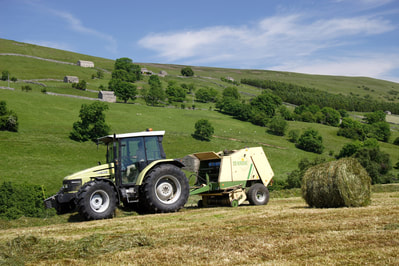
Swaledale hay meadow
|
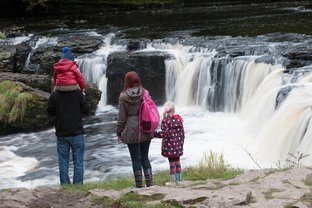
5. Spectacular waterfalls, such as Hardraw Force, Aysgarth Falls, Cautley Spout and Thornton Force
6. Mysterious ruins and remains of the lead mining and lime industry, particularly just below Coldstones Cut in Nidderdale and the Hoffman Kiln between Langcliffe and Stainforth 7. Millstone grit outcrops such as the Three Peaks and sandstone tors like Brimham Rocks. 8. A sense of tranquillity, enhanced by the natural sounds of wind, water and birdsong and an amazing night sky, with dramatic effects from the moon, stars, and planets 9. Sheep, sheep, sheep everywhere! 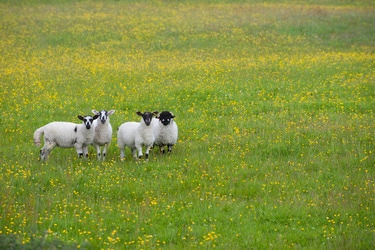
10. Dry-stone walls: there are over 5,000 miles of dry stone walls in the Yorkshire Dales. |
Did you know... about Yorkshire Dales dry stone walls
Dry stone walls are one of the Yorkshire Dales' most distinctive features, and are some of the oldest man-made landscape features.
Tom Lord of Lower Winskill Farm, Langcliffe has over seven miles of dry-stone walls on his farm, some of which date back to the 13th century and are believed to have been built to deter wolves! The new dry stone wall at Layhead Farm Cottages was built by 12 women in 2008.
Dry stone walls are so called because they are made without mortar, simply relying on their complex structure to stay up. They take time to build - rarely more than about 6 metres of wall in a day, which would use around 12 tonnes of stone - all lifted by hand! A good dry stone waller never picks up a piece of stone twice but is able to look at a pile of walling stone and pick up the right size and shape of stone every time. A well built wall should easily last for more than 100 years, with minimal maintenance.
Some of the features you’ll spot within the walls include cripple holes, sheep creeps & throughs. Here's some more on the history of dry stone walls and how they're made. You can often see demonstrations of dry stone walling at agricultural shows throughout the Dales during the Summer months, and learn more about thurles, batter and smoots.
Tom Lord of Lower Winskill Farm, Langcliffe has over seven miles of dry-stone walls on his farm, some of which date back to the 13th century and are believed to have been built to deter wolves! The new dry stone wall at Layhead Farm Cottages was built by 12 women in 2008.
Dry stone walls are so called because they are made without mortar, simply relying on their complex structure to stay up. They take time to build - rarely more than about 6 metres of wall in a day, which would use around 12 tonnes of stone - all lifted by hand! A good dry stone waller never picks up a piece of stone twice but is able to look at a pile of walling stone and pick up the right size and shape of stone every time. A well built wall should easily last for more than 100 years, with minimal maintenance.
Some of the features you’ll spot within the walls include cripple holes, sheep creeps & throughs. Here's some more on the history of dry stone walls and how they're made. You can often see demonstrations of dry stone walling at agricultural shows throughout the Dales during the Summer months, and learn more about thurles, batter and smoots.
|
|
|